A Built-In Bookshelf Styling Guide for Interior Designers
23 August 2026 • By Kamil Safulak, Antykwariat Polski
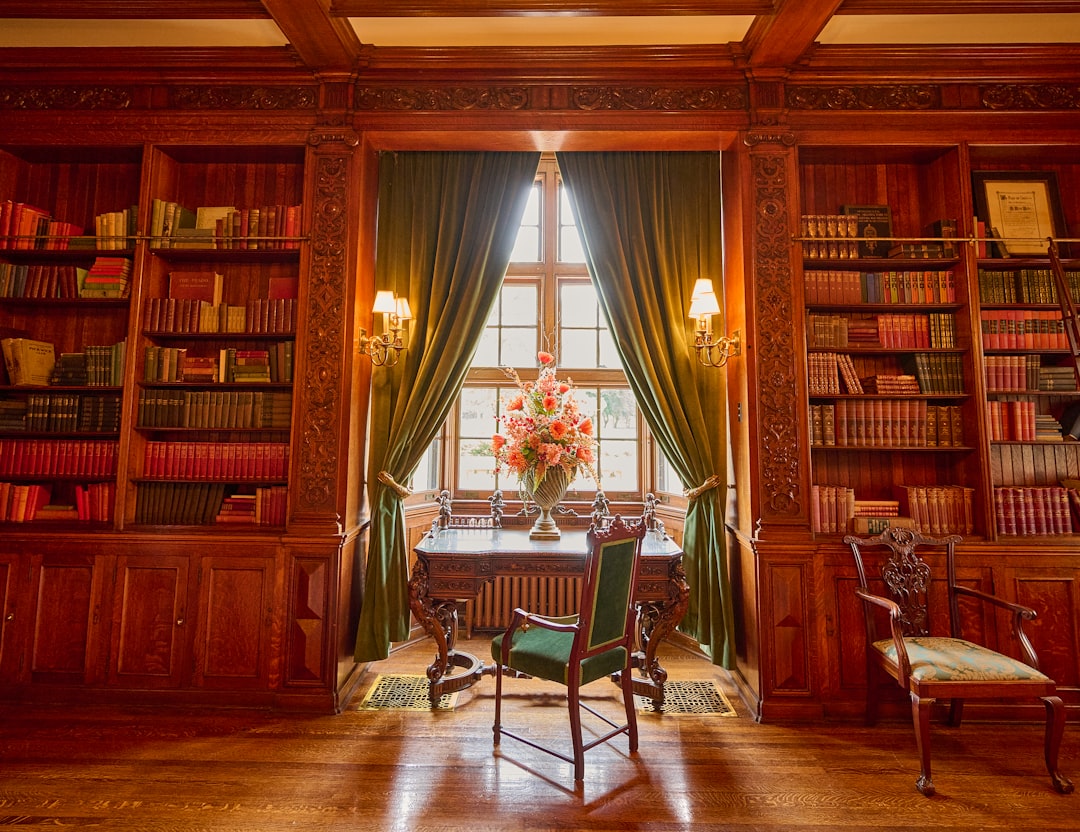 Photo by shiju varghese on Unsplash
A built-in bookshelf is one of the few architectural elements that gets more attention after installation than before it. The joinery is finished, the client is thrilled with the millwork - and then someone has to fill it. For designers, this final styling phase often determines whether the shelving reads as a considered library wall or as a storage unit with objects placed on it. Below is a working checklist we use when advising clients and design teams on how to approach this stage.
1. Assess the Architecture Before Sourcing Anything
Before buying a single book or object, study the bones of the built-in bookshelf itself. Note shelf depth, spacing between uprights, ceiling height, and how natural or artificial light hits the unit throughout the day. A shallow shelf (under 25cm) behaves very differently than a deep library bay, and lighting angle will affect how spines, textures and colours are perceived. This assessment should shape every decision that follows, including whether real books, replicas, or a mix of both make sense for the brief.
2. Build a Rhythm, Not a Pattern
The most common mistake in bookshelf styling is treating every shelf identically - same height of stacked books, same spacing of objects, repeated left to right. Instead, work in a loose rhythm across the full wall:
- Vary book orientation - some vertical, some stacked horizontally in short towers of two to four.
- Break up long horizontal runs with vertical accents such as a tall vase, a sculptural object, or a single oversized volume.
- Let some shelves breathe with negative space rather than filling every inch.
- Repeat one or two materials (leather, brass, ceramic) across the composition so the eye reads it as one designed piece rather than several unrelated groupings.
3. Solve the Empty Shelf Decor Problem Early
Empty shelf decor is rarely about having 'not enough stuff' - it is about having the wrong density of visual weight. A shelf can look sparse even with several objects on it if none of them anchor the eye, and it can look cluttered with relatively few pieces if everything competes for attention. Address this by identifying two or three focal points per shelf run first, then filling around them with lower-key supporting pieces - smaller stacks, framed pieces, boxes. For clients with limited personal collections, thoughtfully arranged book arrangements can provide the volume and colour consistency that real, mismatched libraries often lack.
4. Consider Colour and Spine Tone as a Design Layer
Spine colour is as much a material choice as paint or upholstery. Before styling, decide whether the goal is a tonal, monochrome library wall (favoured in many contemporary interiors) or a warmer, collected-over-generations look with varied leather tones and gilt detailing. This decision should be made in coordination with the room's palette - wood tones, metal finishes, and wall colour all inform how the shelving should read from across the room, not just up close.
5. Mix Scale and Texture Deliberately
A built-in bookshelf styled purely with books, regardless of how well arranged, tends to read as flat. Introduce a small number of contrasting elements to give the composition depth:
- One or two larger sculptural or ceramic pieces per bay to break the horizontal lines of spines.
- A small number of framed items or objects with reflective surfaces (brass, glass) to catch light.
- Occasional soft materials - a folded textile, leather box, or bound portfolio - to contrast with the hard edges of stacked books.
6. Plan for Maintenance and Longevity
Styling a bookshelf is not a one-time exercise; it should be planned with upkeep in mind. Dust accumulates quickly on open shelving, spines fade unevenly under direct sun exposure, and objects shift when shelves are used for actual storage. When specifying materials, favour finishes that hold their colour and structure over years of use, and brief clients on simple rotation habits - moving a few objects seasonally keeps a built-in bookshelf feeling current without a full restyle. For projects where authenticity or fire-rating requirements come into play, such as law offices or hospitality lobbies, it is worth reviewing how these considerations intersect with design in our piece on book panel walls and the question of authenticity.
7. Document the Final Layout
Once a bookshelf styling guide has been applied and the composition approved, photograph the final layout from multiple angles and note object placement. This becomes invaluable when cleaning staff, movers, or future tenants need to restore the shelving to its intended state, and it protects the integrity of the design work long after handover.
Contact us to discuss a bespoke project, or browse our library arrangements and styling catalogue.